Essays on creative leadership,
culture, and the human side of work.
Becoming
These are personal essays about growing up as a fostered, then adopted child — and about what that does to a person over the course of a life and career. The passivity you develop to survive. The shame that shows up uninvited in elevators and conference rooms decades later. The moment you finally recognize the bully pattern, in a boss, in a father, in yourself.
The most-read piece opens with a meat cleaver. My wife, coming down the hall. Me, curled under the covers at thirty years old, having just been fired and not yet told her. It’s not a comfortable essay. But by the end, it explains — more directly than anything else I’ve written — why I understand what happens to people when they’re made to feel small at work, and why that understanding is the foundation of everything I do professionally.
These essays aren’t separate from my advisory work. They are the source of it.
Advisory Notes
These are essays about the emotional realities of creative professional life — the anxiety of leadership, the psychology of negotiation, the particular ways creative people get in their own way, and the particular ways organizations let them down.
One of the most-read pieces, “Why Creative Firms Break Differently,” argues that creative firms don’t fail from bad strategy — they unravel from the inside, through fatigue, misalignment, and a gradual loss of trust no one can quite name. That piece captures what all of these essays are reaching toward.
I write from four decades of experience inside creative firms, but I write the way I talk: directly, without jargon, with stories. Each piece includes one of my own illustrations. If you work in a creative firm and ever feel like the game is rigged against you, this series is for you.

Negotiation meetings are about working out the details. Here are the signals that it’s better to walk away then take a gig you’ll regret.
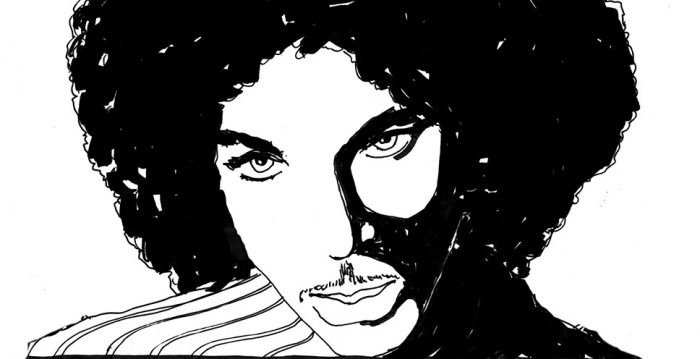
Prince made his mark as a musician, creator, and in how he forcefully defended his creative process and output. Here are three things he did well.

I’m excited to announce that I have become a contributor at Fast Company, sharing advice on negotiation for professionals, creatives, and entrepreneurs. Here’s a look at the topics we’ve explored in recent weeks — please share with your networks if you find the advice helpful: How to Take Back Control of a Negotiation Have you ever…

The designer’s task is to create brands that connect with people. Here’s how to keep that at the fore when competing to win contracts.
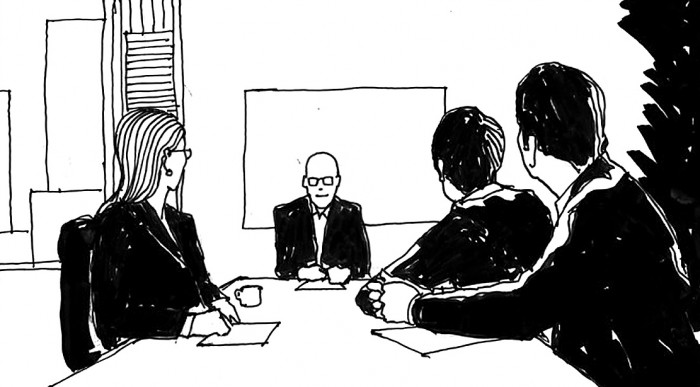
It may seem counterintuitive, but revealing your vulnerability is a powerful negotiation strategy if used at the right time.
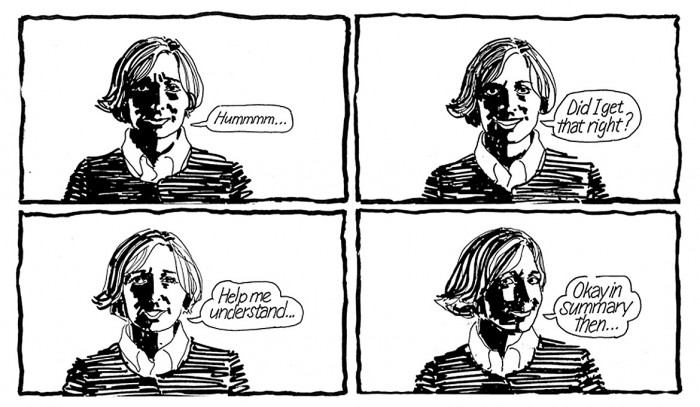
We tend to talk when we’re stressed. But talking too much prevents us from listening. Here’s how to channel your anxiety into negotiation success.
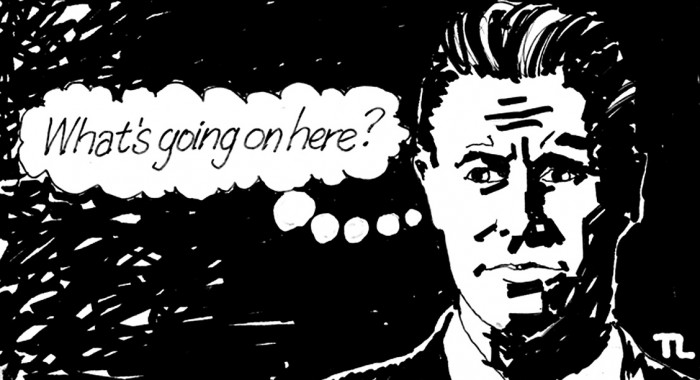
I’ve long recognized that we creatives tend to be more in touch with our emotions and our vulnerability than other professionals. But when we’re negotiating, vulnerability is viewed as weakness. We have this notion that strength, not vulnerability, wins the contract. My experience shows differently. Here’s a story for you. I was meeting with a…
New essays, every week.
With an illustration.
No noise. Just the writing — delivered to your inbox when it's ready.
"*" indicates required fields
Also available on Substack.
You never cease to amaze me with your willingness to make your life an open book — especially the more hurtful parts. And I'm amazed by the lessons you draw from all of it.
— Larry Coffman, PublisherYour writing has revealed some very intimate, powerful lessons. You are a source of inspiration both professionally and, increasingly, on a personal level.
— Rick GoreWe can discuss the ugly, uncomfortable truths while always circling back to what matters: the people, the underdogs, the work we get to do, and the magical existence we get to share as creatives.
— Sarah EskandarpourI loved your article about how clients' emotions affect briefs. It's a huge part of the creative industry and it's always good to see somebody so knowledgeable write about it.
— Vuk Bojovic, JKR Account Director, Singapore