Essays on creative leadership,
culture, and the human side of work.
Becoming
These are personal essays about growing up as a fostered, then adopted child — and about what that does to a person over the course of a life and career. The passivity you develop to survive. The shame that shows up uninvited in elevators and conference rooms decades later. The moment you finally recognize the bully pattern, in a boss, in a father, in yourself.
The most-read piece opens with a meat cleaver. My wife, coming down the hall. Me, curled under the covers at thirty years old, having just been fired and not yet told her. It’s not a comfortable essay. But by the end, it explains — more directly than anything else I’ve written — why I understand what happens to people when they’re made to feel small at work, and why that understanding is the foundation of everything I do professionally.
These essays aren’t separate from my advisory work. They are the source of it.
Advisory Notes
These are essays about the emotional realities of creative professional life — the anxiety of leadership, the psychology of negotiation, the particular ways creative people get in their own way, and the particular ways organizations let them down.
One of the most-read pieces, “Why Creative Firms Break Differently,” argues that creative firms don’t fail from bad strategy — they unravel from the inside, through fatigue, misalignment, and a gradual loss of trust no one can quite name. That piece captures what all of these essays are reaching toward.
I write from four decades of experience inside creative firms, but I write the way I talk: directly, without jargon, with stories. Each piece includes one of my own illustrations. If you work in a creative firm and ever feel like the game is rigged against you, this series is for you.
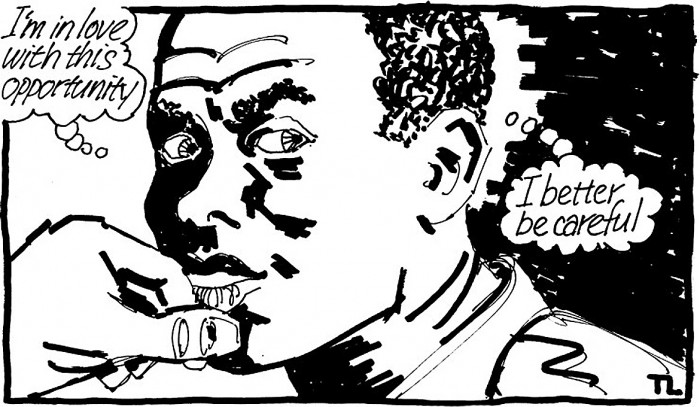
Projection is a real danger when our desires are in play. It can keep us from really examining the opportunity because, as they say, “love is blind.”
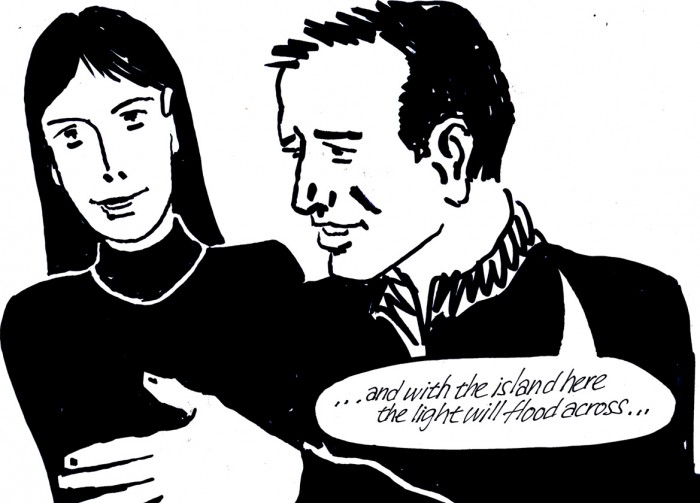
Inspirational insights are the primary reason creatives are engaged. These tips will inspire your clients and set you apart from the competition.
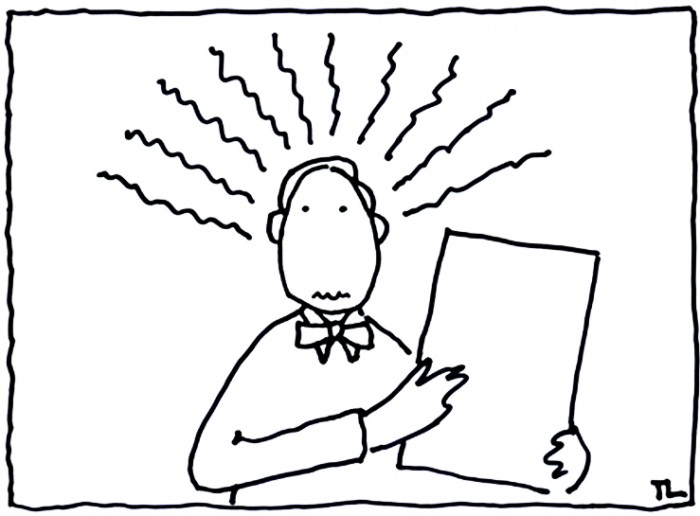
How do you handle it when you — and your emotions — are at the negotiating table? My approach helps creatives regain control in meetings.
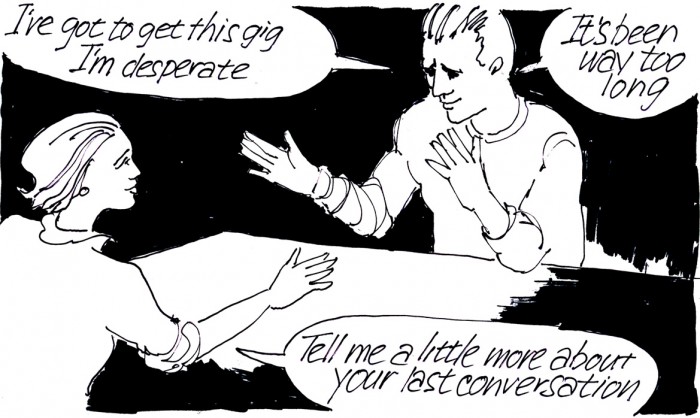
You’re stuck in the middle of a dilemma but can’t work with a professional career coach. Here’s how to ask a friend to help you.
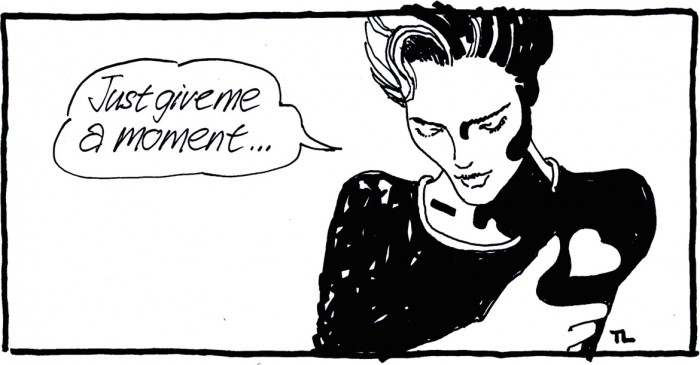
We wear our hearts on our sleeves. That makes it difficult when we’re asking for the money. Here’s four reasons why, and how to deal with it.
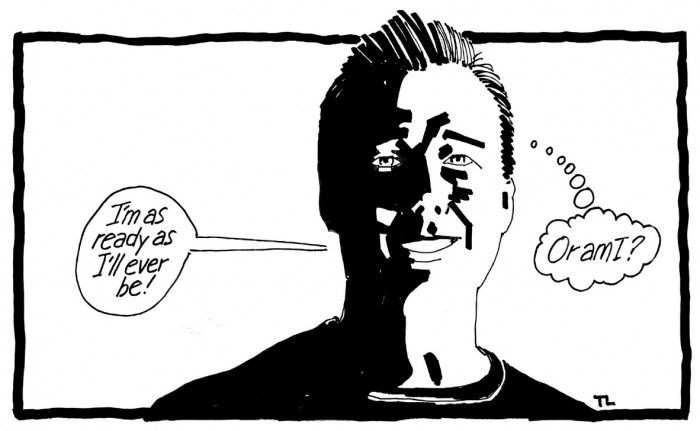
Anxiety over an upcoming pitch is normal. Here’s how to use that energy to prepare for your meeting and win over the client.
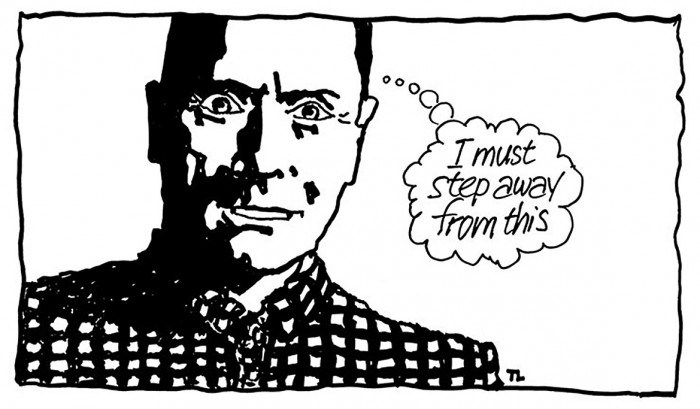
A turn on the trapeze during a team meeting reinforced everything I’ve learned about the power of fear when it comes to negotiation.
New essays, every week.
With an illustration.
No noise. Just the writing — delivered to your inbox when it's ready.
"*" indicates required fields
Also available on Substack.
You never cease to amaze me with your willingness to make your life an open book — especially the more hurtful parts. And I'm amazed by the lessons you draw from all of it.
— Larry Coffman, PublisherYour writing has revealed some very intimate, powerful lessons. You are a source of inspiration both professionally and, increasingly, on a personal level.
— Rick GoreWe can discuss the ugly, uncomfortable truths while always circling back to what matters: the people, the underdogs, the work we get to do, and the magical existence we get to share as creatives.
— Sarah EskandarpourI loved your article about how clients' emotions affect briefs. It's a huge part of the creative industry and it's always good to see somebody so knowledgeable write about it.
— Vuk Bojovic, JKR Account Director, Singapore