Essays on creative leadership,
culture, and the human side of work.
Becoming
These are personal essays about growing up as a fostered, then adopted child — and about what that does to a person over the course of a life and career. The passivity you develop to survive. The shame that shows up uninvited in elevators and conference rooms decades later. The moment you finally recognize the bully pattern, in a boss, in a father, in yourself.
The most-read piece opens with a meat cleaver. My wife, coming down the hall. Me, curled under the covers at thirty years old, having just been fired and not yet told her. It’s not a comfortable essay. But by the end, it explains — more directly than anything else I’ve written — why I understand what happens to people when they’re made to feel small at work, and why that understanding is the foundation of everything I do professionally.
These essays aren’t separate from my advisory work. They are the source of it.
Advisory Notes
These are essays about the emotional realities of creative professional life — the anxiety of leadership, the psychology of negotiation, the particular ways creative people get in their own way, and the particular ways organizations let them down.
One of the most-read pieces, “Why Creative Firms Break Differently,” argues that creative firms don’t fail from bad strategy — they unravel from the inside, through fatigue, misalignment, and a gradual loss of trust no one can quite name. That piece captures what all of these essays are reaching toward.
I write from four decades of experience inside creative firms, but I write the way I talk: directly, without jargon, with stories. Each piece includes one of my own illustrations. If you work in a creative firm and ever feel like the game is rigged against you, this series is for you.
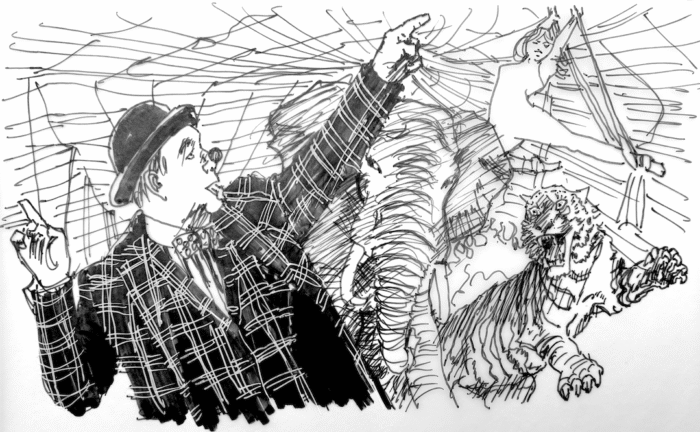
The moment the limited potential assumed by others gave way to the hint of a future fueled by talent.
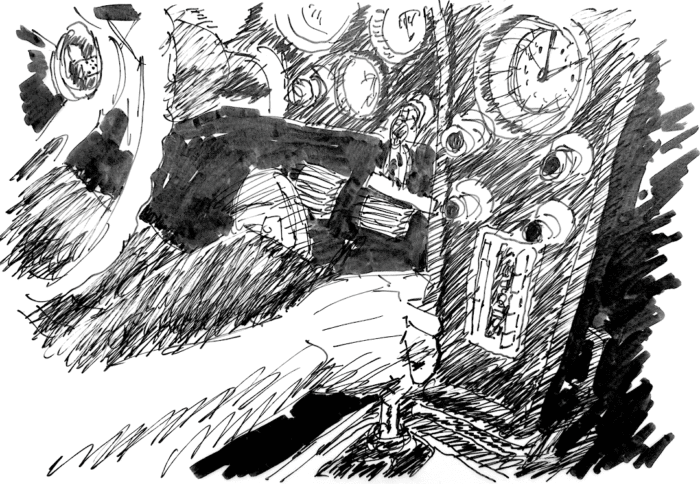
How the neighborhood “cool kid” showed style and persona buttress confidence from childhood to adulthood.
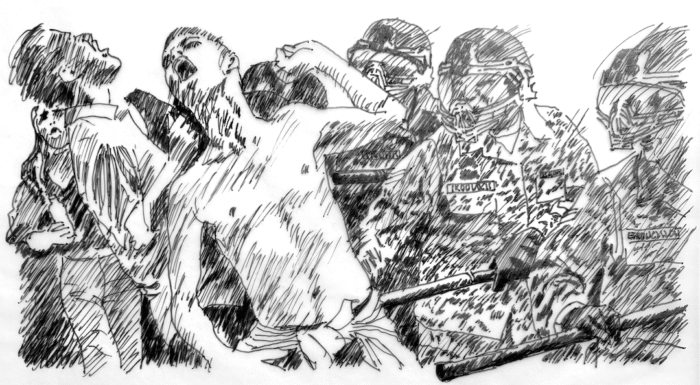
Consequential missed opportunities from our past have a way of nudging us throughout our lives.
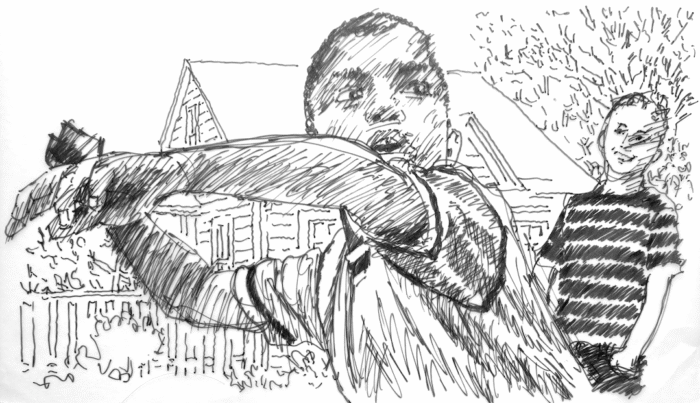
Dad pulled up and, looking at us, rolled down the window. Not saying anything, he nodded and pulled away, cranking up the window as he shifted our small English Hillman sedan into second. I knew I’d hear about it later. Richard Taylor and I were in the fifth grade and lived just a block apart.…
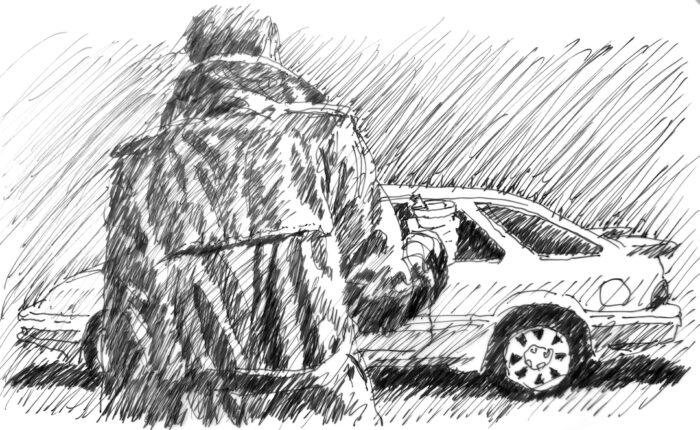
“Your father died. Can you come help?” Shaking off sleep, I noticed it was raining. Raining hard. Her voice was cool and distant. Distant, that’s the way we handled things like this, Mom and me. “Yes, I’ll be right there.” Putting the phone down, I pull my pants on and tell Carolyn, “My dad just…
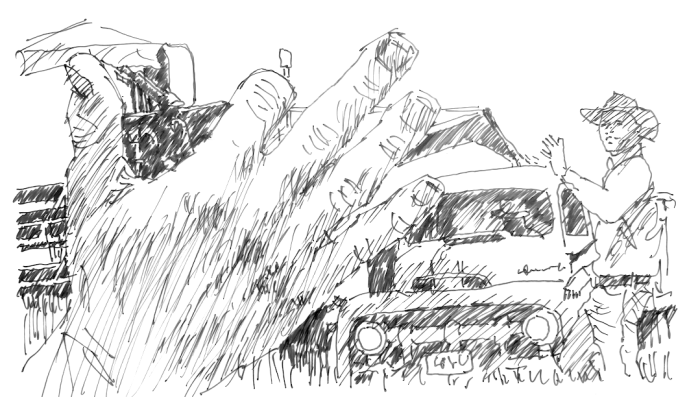
Many of the older men were missing one or more fingers. That was one of the first things I noticed at the farm. I asked and the word was, “People get relaxed around the machines over time, forgetting how dangerous they are and…” I was sixteen. It must have been the first time I realized…
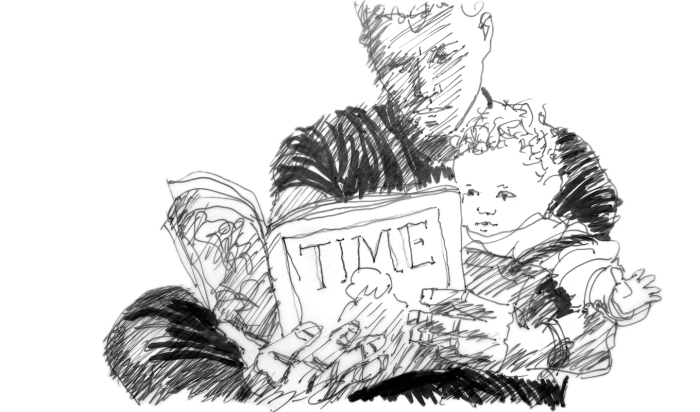
“You must have separated from your parents when you were five or six.” I looked at Tom, pondering the thought. He was my first therapist. A flush of pride swept through me that I’d been so resourceful so young. “That’s far too young.” Tom continued. My pride shifted to worry that I was permanently damaged.…
New essays, every week.
With an illustration.
No noise. Just the writing — delivered to your inbox when it's ready.
"*" indicates required fields
Also available on Substack.
You never cease to amaze me with your willingness to make your life an open book — especially the more hurtful parts. And I'm amazed by the lessons you draw from all of it.
— Larry Coffman, PublisherYour writing has revealed some very intimate, powerful lessons. You are a source of inspiration both professionally and, increasingly, on a personal level.
— Rick GoreWe can discuss the ugly, uncomfortable truths while always circling back to what matters: the people, the underdogs, the work we get to do, and the magical existence we get to share as creatives.
— Sarah EskandarpourI loved your article about how clients' emotions affect briefs. It's a huge part of the creative industry and it's always good to see somebody so knowledgeable write about it.
— Vuk Bojovic, JKR Account Director, Singapore